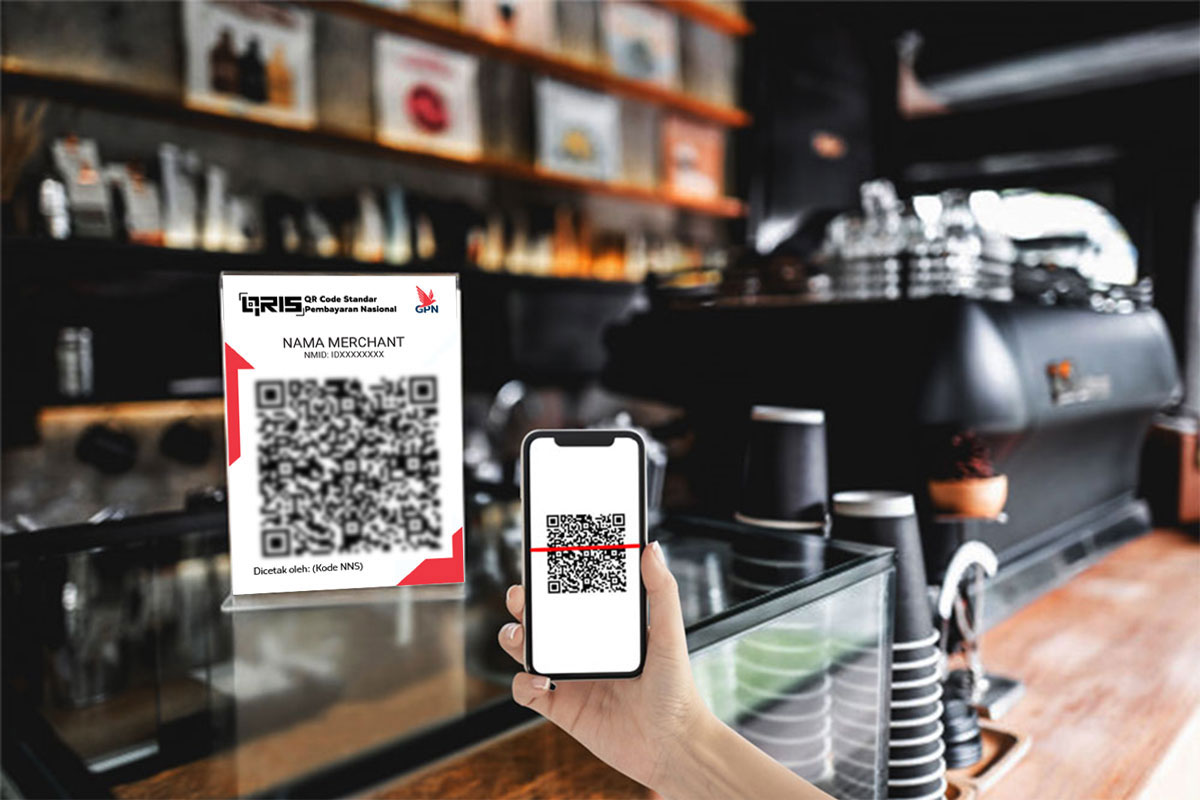
Trends, Opportunities, and Their Impact on Business
Digital payments in Indonesia have experienced rapid growth in recent years. Changing lifestyles, regulatory support, and technological advancements are driving a shift from cash transactions to cashless payment systems.
Today, digital payments are no longer used solely by large corporations or the banking sector, but have also become a vital part of the operations of MSMEs, startups, and even public services. This trend marks a major transformation in the national financial ecosystem.
This article will discuss the growth of digital payments in Indonesia, its driving factors, and its impact on the business world.
The Development of Digital Payments in Indonesia
Indonesia is one of the countries with the fastest growing digital transactions in Southeast Asia. Various digital payment methods, such as:
-
mobile banking
-
e-wallet
-
QRIS
-
online payment gateway
has become the people's main choice for transactions.
Ease of use, speed of processing, and increasing public trust have made digital payments increasingly accepted across all levels of society.
Factors Driving Digital Payment Growth
1. Changes in Consumer Behavior
People today prioritize speed and convenience. Digital payments allow transactions to be completed in seconds without carrying cash.
Convenient user experience is one of the main reasons for the increasing adoption of cashless payments.
2. Regulatory and Infrastructure Support
Regulators and financial institutions in Indonesia are actively promoting the use of digital payments through system standardization, such as QRIS, and strengthening digital financial infrastructure.
This step creates a more inclusive and secure ecosystem for both businesses and consumers.
3. Development of Financial Technology
Innovation in the fintech sector is accelerating the adoption of digital payments. The integration of APIs, cloud infrastructure, and modern security systems enables fast and reliable transaction processing.
This technology also opens up opportunities for businesses to develop broader digital financial services.
The Impact of Digital Payments on the Business World
1. Operational Efficiency
With digital payments, businesses can:
-
reduce cash management
-
speed up transaction recording
-
minimize manual errors
This has a direct impact on operational efficiency and transparency.
2. Access More Accurate Transaction Data
Every digital transaction generates data that can be analyzed. This data helps businesses understand customer purchasing patterns, manage cash flow, and develop more accurate sales strategies.
3. Improve Customer Experience
Fast and flexible payments increase customer satisfaction. Businesses that offer a variety of digital payment options tend to be more trusted and preferred by consumers.
Challenges in Implementing Digital Payments
Despite its rapid growth, the implementation of digital payments still has challenges, including:
-
data and transaction security risks
-
suboptimal system integration
-
dependence on internet connectivity
Therefore, a strong technological foundation is needed to ensure the digital payment system runs safely and stably.
The Role of Technology in Supporting a Cashless Ecosystem
Technology is the backbone of the digital payment ecosystem. Reliable IT infrastructure, multi-layered security systems, and continuous monitoring are crucial for maintaining transaction performance.
Businesses looking to adopt digital payments need to ensure that their systems:
-
scalable
-
safe
-
well integrated
This approach helps businesses grow without compromising system stability.
PasBay's Role in Supporting Digital Payments
PasBay helps businesses build a technological foundation that optimally supports digital payment systems. With an integrated approach, PasBay ensures technology is a key supporter of business operations.
PasBay solutions include:
-
Stable and scalable IT infrastructure
-
Network security and transaction data protection
-
Managed Services to ensure the system is always optimal
-
Ongoing technical support
With the right technology support, businesses can adopt digital payments with more confidence.
Conclusion
The growth of digital payments in Indonesia presents a significant opportunity for businesses. Cashless systems not only increase efficiency but also open up access to data and improve customer experiences.
Businesses that are ready to adapt to digital payment technology will have a competitive advantage in the digital economy. With a strong IT foundation and the right technology partners, this transformation can be more secure and sustainable.