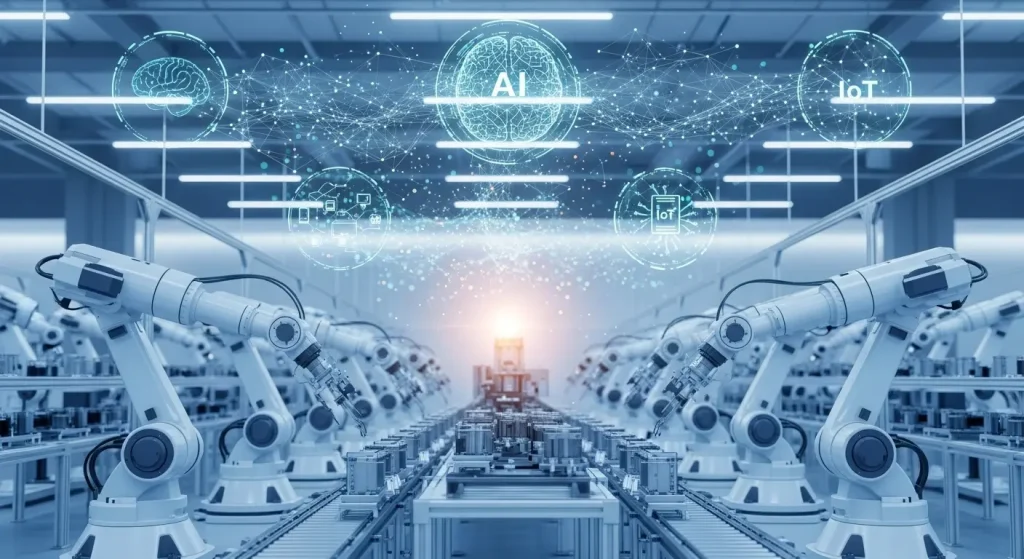
A few years ago, digital transformation was often seen as an innovation project or simply a technology trend. Today, that view has changed completely. Digital transformation has become business needs, is no longer an option.
Companies across various sectors are beginning to realize that technology is not just a supporting tool, but a key foundation in facing competition, changing consumer behavior, and increasingly rapid market dynamics.
What is meant by digital transformation?
Digital transformation isn't just about moving manual processes to digital systems. It encompasses a comprehensive change in the way businesses:
-
Managing operations
-
Interact with customers
-
Making data-driven decisions
-
Creating new value through technology
Digitalization without a change in mindset will only result in a new system with old ways of working.
Why Is Digital Transformation Crucial?
1. Changing Customer Expectations
Customers now expect fast, easy, and consistent service across multiple channels. Businesses that don't adapt will be left behind.
2. Efficiency and Scalability
Technology enables process automation, reduced operational costs, and the ability to grow without structural barriers.
3. Data as a Strategic Asset
Data-driven decisions help companies be more responsive to the market and more accurate in planning.
Common Challenges in Digital Transformation
While it sounds promising, digital transformation is not without challenges. Some of the obstacles frequently encountered include:
-
Resistance to change
-
Lack of human resource readiness
-
Complex system integration
-
Data security and protection
Without a clear strategy, digital transformation risks becoming an expensive project with minimal results.
A More Appropriate Approach
Effective digital transformation usually starts with:
-
Understanding business needs, not just technology
-
Gradual and measured implementation
-
Focus on real impact for operations and customers
Technology should be an enabler, not an end in itself.
Digital transformation has shifted from a mere trend to a crucial element of modern business strategy. Companies that can adapt to these changes will be better prepared to face future challenges and create a sustainable competitive advantage.
In the digital era, speed of adaptation is often more important than the size of the business itself.